
FAQ
What is the difference between classes and workshops?
Ikebana classes are recurring and follow the Sogetsu textbook curriculum. You can sign up for a single session as a trial and continue whenever you wish. Floral materials are provided, or you may bring your own for a discounted rate. Each session is two hours long.
Floral design workshops are one-time pop-up events focused on a specific theme, such as curved lines, foliage weaving, or holiday wreaths. All floral materials are provided. Each workshop is three hours long.
How far in advance are class and workshop schedules posted?
Semi-private Ikebana classes run on a recurring schedule and are announced up to two months in advance. Choose a date and time that works for you—there’s no need to commit to every week. You can start, take a break, and resume whenever it’s convenient for you.
Community-center classes are typically announced about two months in advance. Parks and Recreation departments generally publish seasonal brochures for Winter, Spring, Summer, and Fall. For example, if a course begins in January, registration may open as early as December and remain open until the first day of the course or until the class reaches capacity.
One-time workshops are normally announced up to two months in advance.
Where are the classes and workshops held?
Most classes and workshops are held in the San Francisco Peninsula while some may be held at locations throughout the San Francisco Bay Area.
How are large classes at community centers structured?
Classes held at community centers are typically run as a one- to three-month course (4–12 lessons) on a set day and time. Tuition is paid for the entire course at the beginning, whether or not you can attend every session. This option may be more convenient for students who live nearby and prefer a regular schedule without having to register for each class.
What is the class size?
Semi-private classes are six participants at max. Classes at community centers typically have 10 to 15 people. Pop-up workshops held at other venues vary in size depending on the location and event.
What tools and vases do I need to start Ikebana?
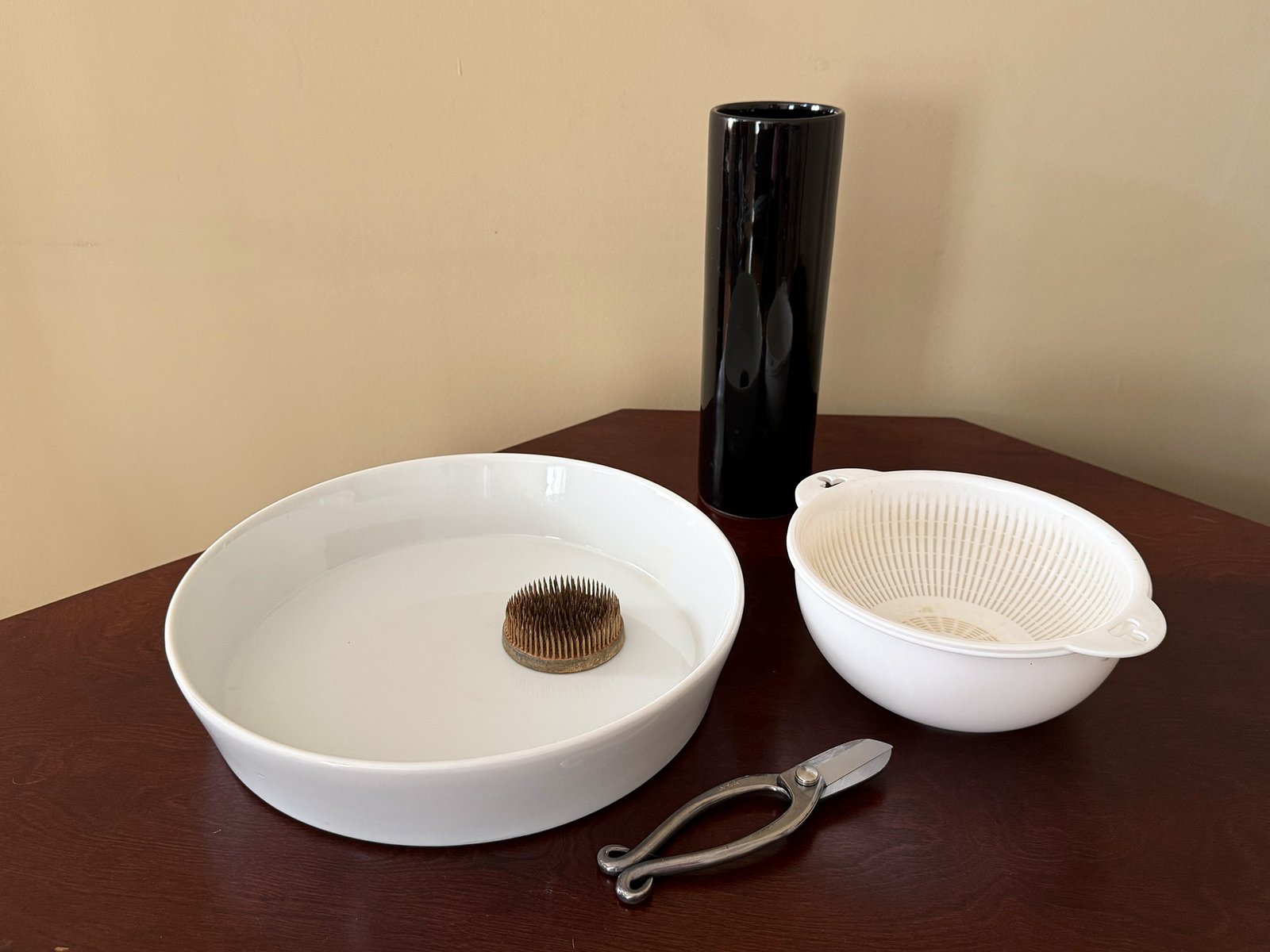
* Ikebana scissors, or gardening shears that can cut both branches and flowers
* A tall cylindrical ceramic vase
* A shallow ceramic vase
* A Kenzan (pin frog)
* A plastic colander with a bowl
Ikebana scissors are available from Amazon or reputable Japanese tool shops such as Hida Tool.
You don’t need to buy everything right away. Dinner plates and platters from stores such as Crate & Barrel can work well as shallow containers, and a 3-inch round Kenzan weighing approximately 400g will hold most materials securely.
A plastic colander with a bowl is called a mizukiri bowl in Ikebana. Fill the bowl with water and use it to cut flowers and branches in water, helping to preserve their freshness. The colander makes it easier to separate the cut materials from the water after class.
For your first lesson, simply bring what you already have. The instructor can advise you on what to purchase and may be able to lend you tools or a vase.
What happens during a two-hour class or three-hour workshop?
Ikebana classes include instruction and individual critique. If your schedule allows, you are encouraged to observe demonstrations for other students and listen to their critiques. You may leave early if you finish your arrangement or have another appointment.
Workshops begin with a live demonstration by the instructor. Once you begin your own arrangement, the instructor will move around the room to provide individual guidance. Because everyone is working on the same project, you are encouraged to listen to instructions given to other participants as well. Depending on the complexity of the project and everyone’s progress, there may be time for a critique of the finished arrangements.
How long does it take to receive an Ikebana certificate?
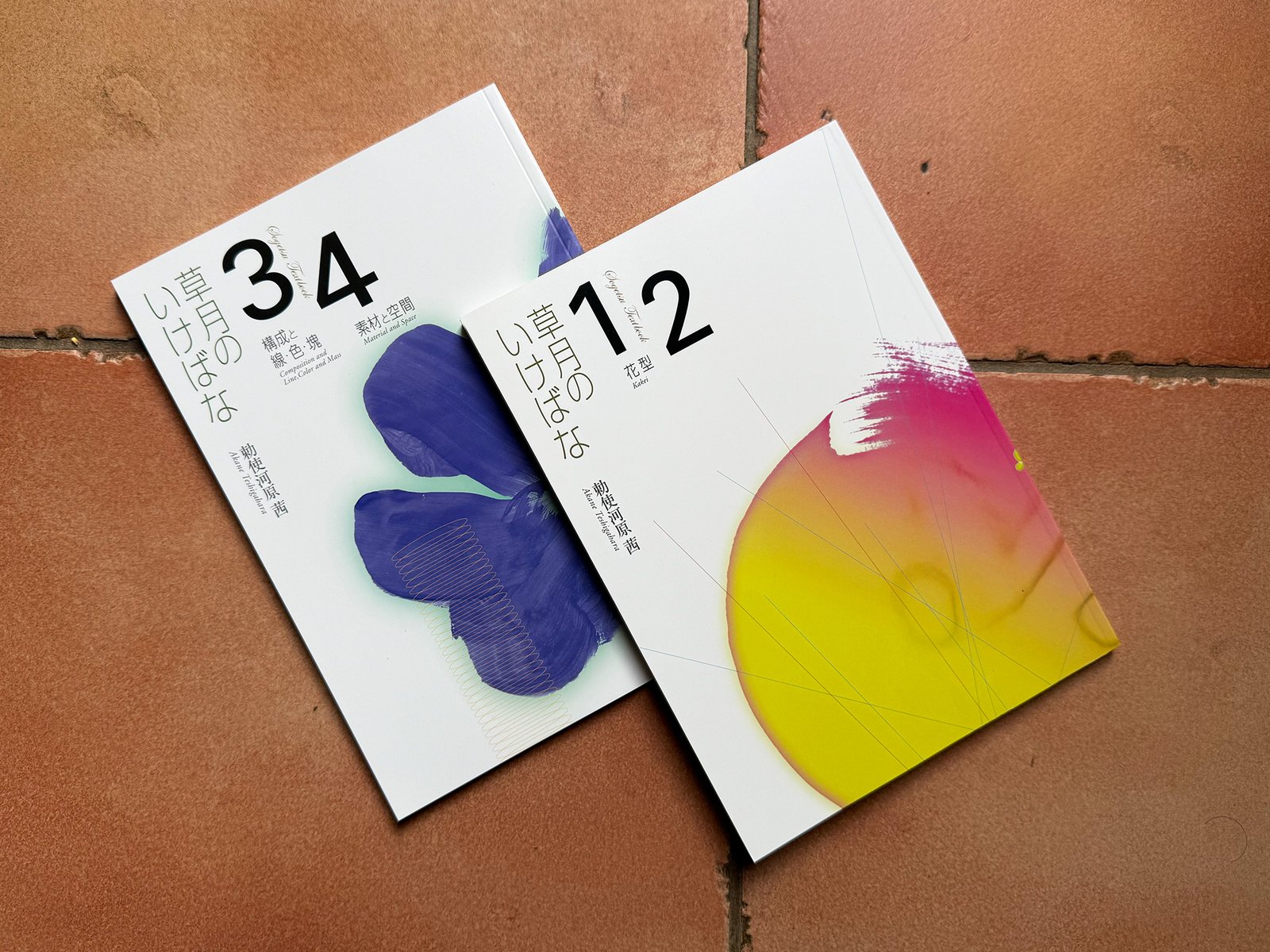
Sogetsu has five textbooks. Books 1 and 2 are considered beginner level, while Books 3 and 4 are intermediate. Books 1–4 contain 20 lessons per book. After completing each textbook, the instructor can apply for a certificate through Sogetsu headquarters in Tokyo. The certificate is optional and requires an additional fee.
Learn more about the Sogetsu curriculum.
Book 5 is the advanced level and consists of 30 lessons. After completing Book 5, students become eligible to teach. There are also eight teacher ranks, with opportunities for advancement through continued study, exhibitions, and exams.
If you attend class every week, you could complete one textbook in approximately six months. However, there is no need to rush. It took me two years to complete each book while working full-time. There is no shame in taking your time—Ikebana is a lifelong journey.
Learn more about becoming a Sogetsu teacher.
What is your cancellation policy?
Recurring classes with materials and workshops:
100% refund when canceled at least 3 days in advance. For example, a Friday class must be canceled by Tuesday.
Recurring classes without materials:
100% refund when canceled at least 24 hours in advance. For example, a Friday 1pm class must be canceled by Thursday at 1pm.
Cancellations made after these deadlines are non-refundable. If you can no longer attend, you are welcome to send someone in your place. Please email the instructor with your replacement attendee’s name and contact information.
Because credit card processing fees are absorbed by the instructor, please avoid holding a spot and canceling at the last minute whenever possible.
Community center classes:
The courses that are run by a city or its parks & recreation department typically do not offer refunds once the course has started, nor do they provide discounts for individual sessions you are unable to attend. Please refer to the specific organization’s cancellation policy before registering.
Where do you get floral materials?
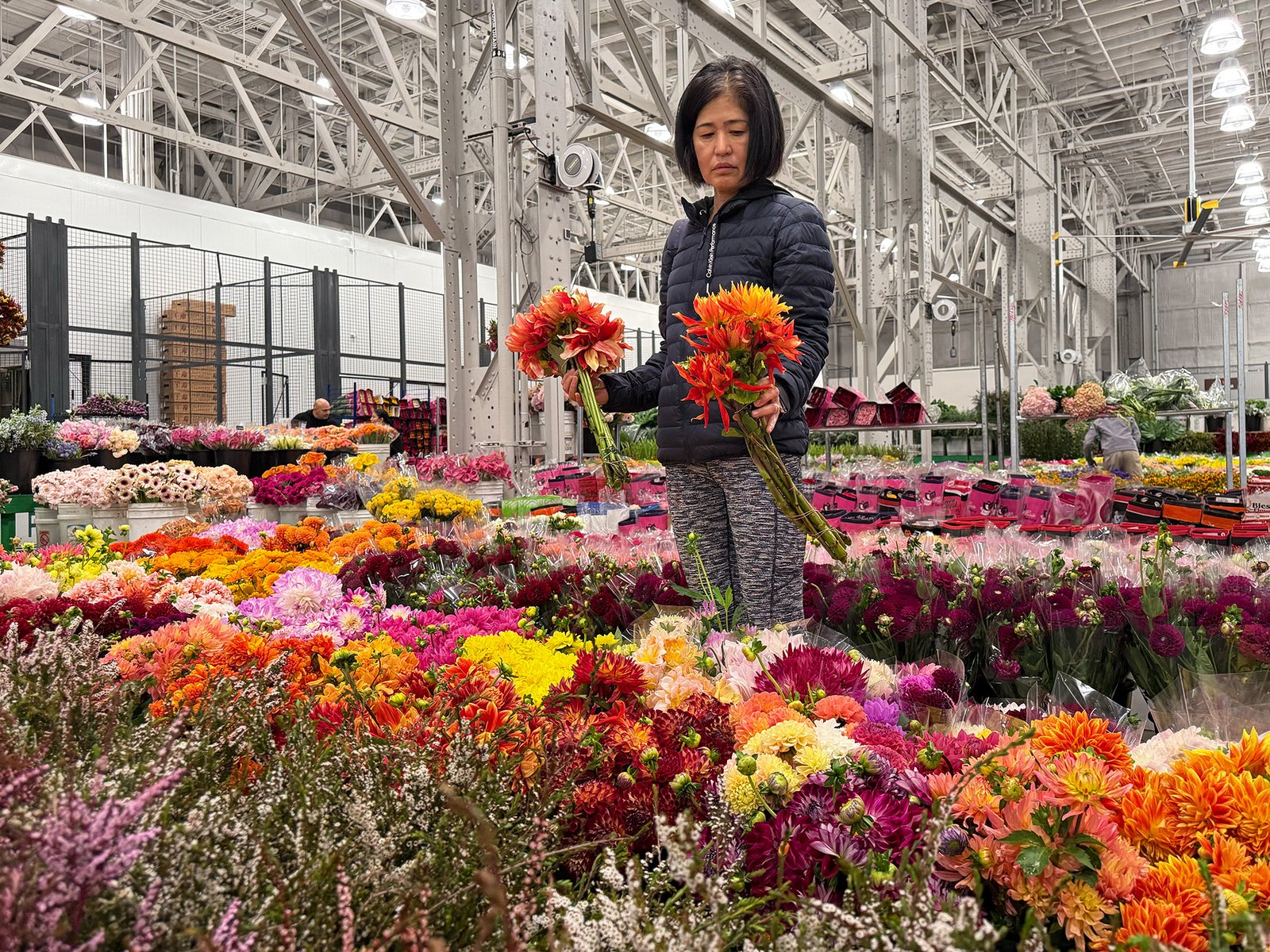
The instructor primarily purchases materials from the San Francisco Flower Market, where there is a wide selection of fresh flowers and foliage, often with longer stems than those available at grocery stores.
Materials are normally purchased one or two days before each class to ensure freshness and variety. This is why cancellations for classes with materials are requested at least three days in advance.
Can I bring my own materials?
Yes, for recurring Ikebana classes. Check the next lesson in your Sogetsu textbook and forage or purchase appropriate materials before class.
How do I transport my finished arrangement after class?
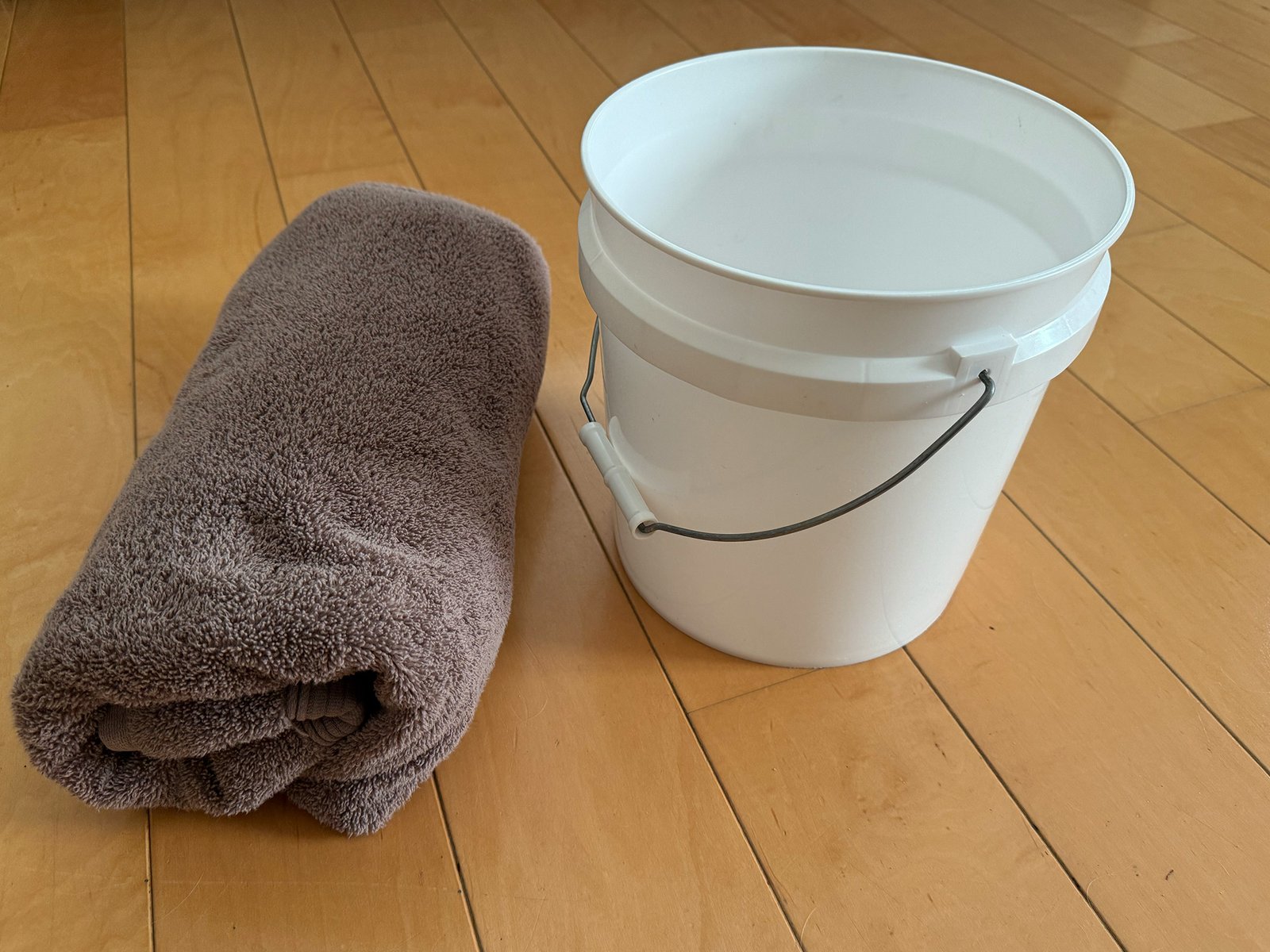
Bring a bucket and a towel to class.
Ikebana arrangements are not always easy to transport. Materials may shift or fall out, and vases can break during transportation. Wrap your vase in a towel.
Before dismantling your arrangement, take a photo of your finished work so you can recreate it at home. Recreating the arrangement is a valuable exercise—and gives you a chance to practice the lesson twice.